On the night of June 23/24, 2026, Wojciech Burzyński, M.Sc. Eng., conducted the first tests of the new astronomical camera purchased for the Laboratory-Observatory of the Faculty of Physics at the University of Białystok. The purchased device, the C3-61000 PRO by Moravian, is an extremely advanced tool used in professional observatories where high build quality and top performance are essential.
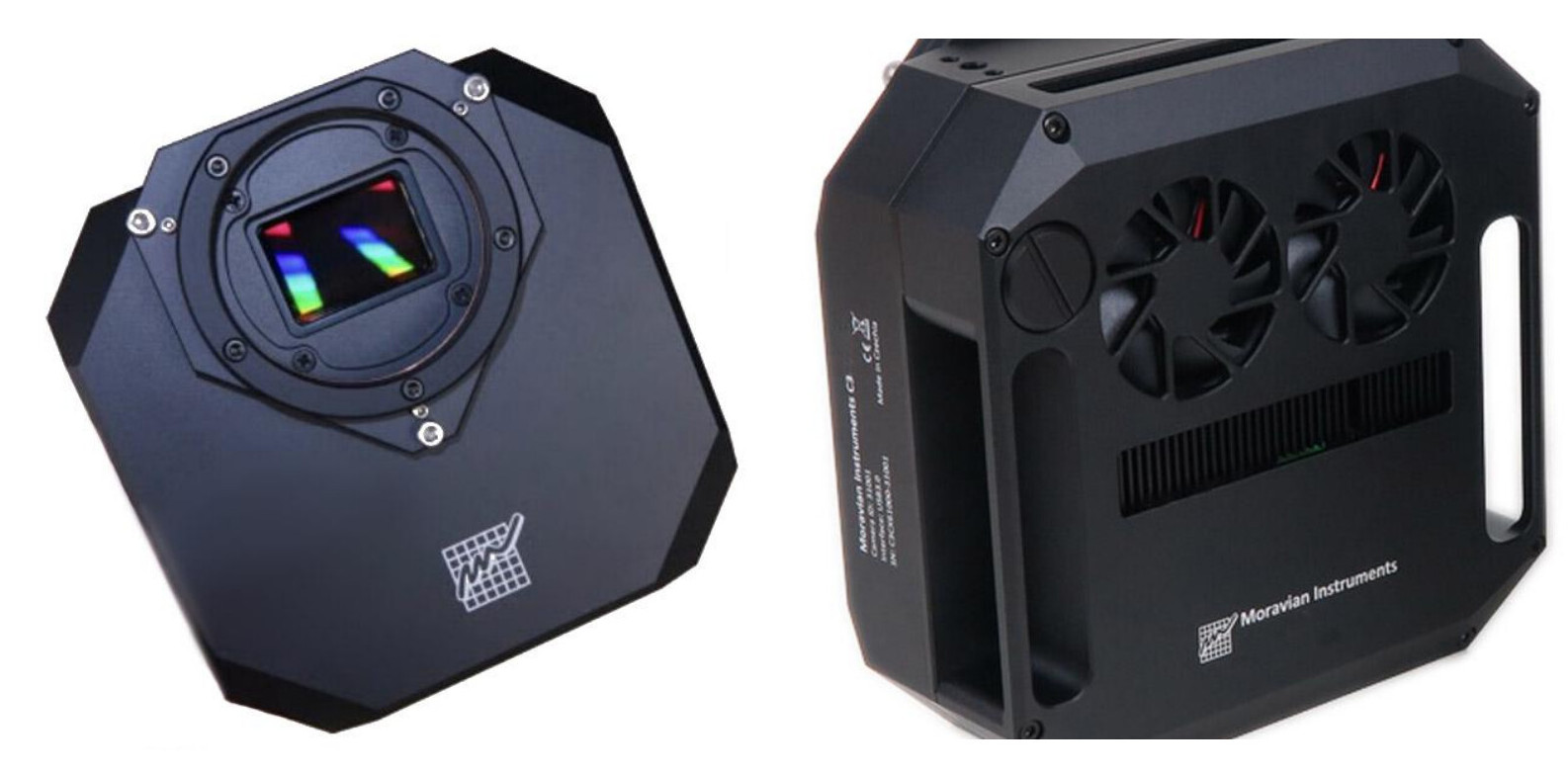
The camera is equipped with the latest full-frame Sony BSI IMX455 sensor with a resolution of 62 Mpix, guaranteeing a dynamic range of up to 16-bit. This is a massive leap in quality compared to the previously owned SBIG ALUMA 4040 camera, which had a resolution of only 16 Mpix and a 12-bit dynamic range. The new camera will guarantee a significant—up to an order of magnitude—reduction in the uncertainty of photometric measurements of astronomical objects carried out as part of the BHTOM observational astrophysics platform. The ALUMA camera will continue to serve as a tool for educational work with students.
Below are the first test photos – raw, without any graphic processing.
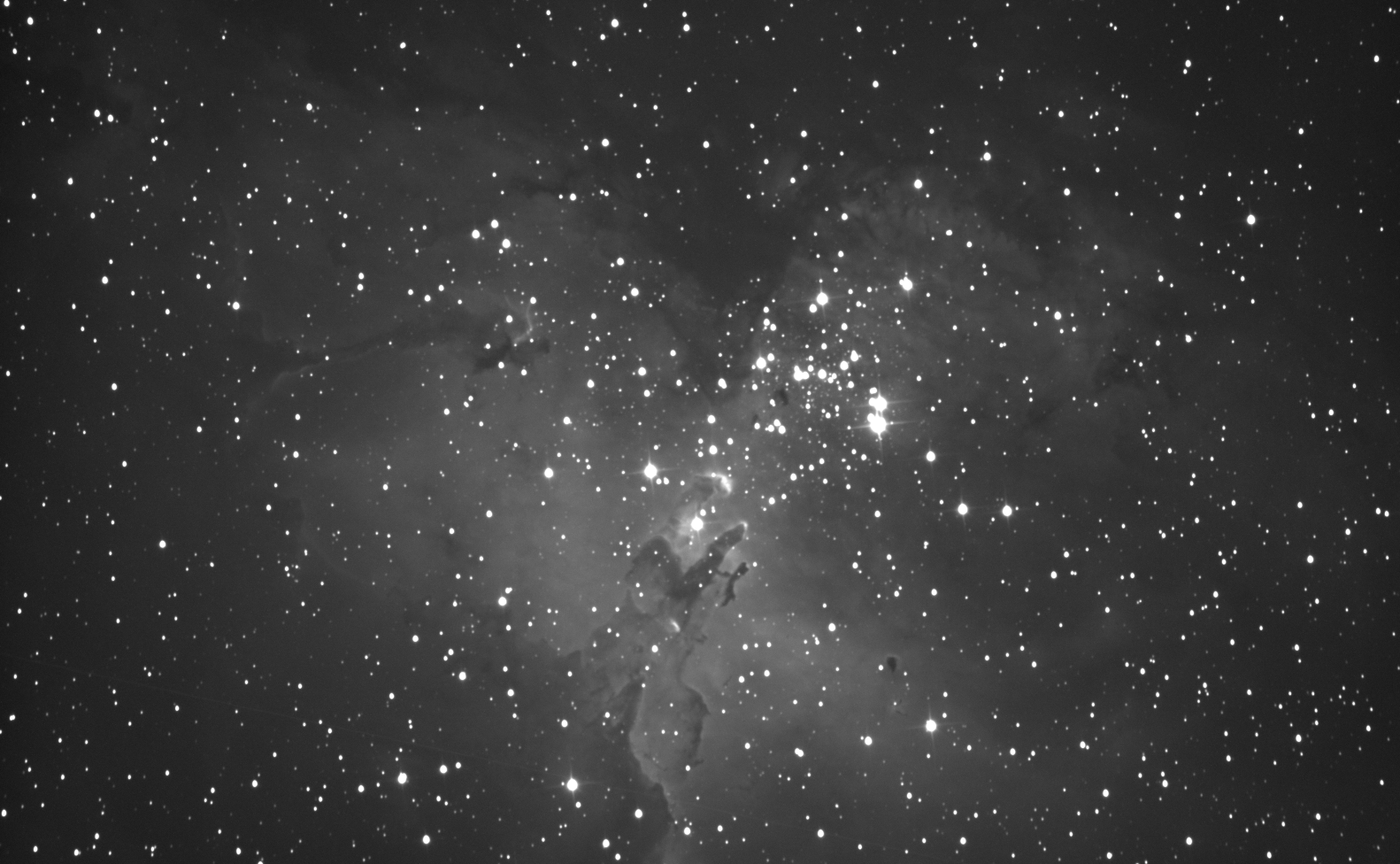
1 - Open cluster M16 ("Eagle") and emission nebula IC4703 – distance 7 thousand light-years, Serpens constellation, exposure 10 min.
M16 is one of the most popular astronomical objects, greatly contributed to by its famous photos taken by the Hubble Space Telescope (the so-called Pillars of Creation - visible in the picture).
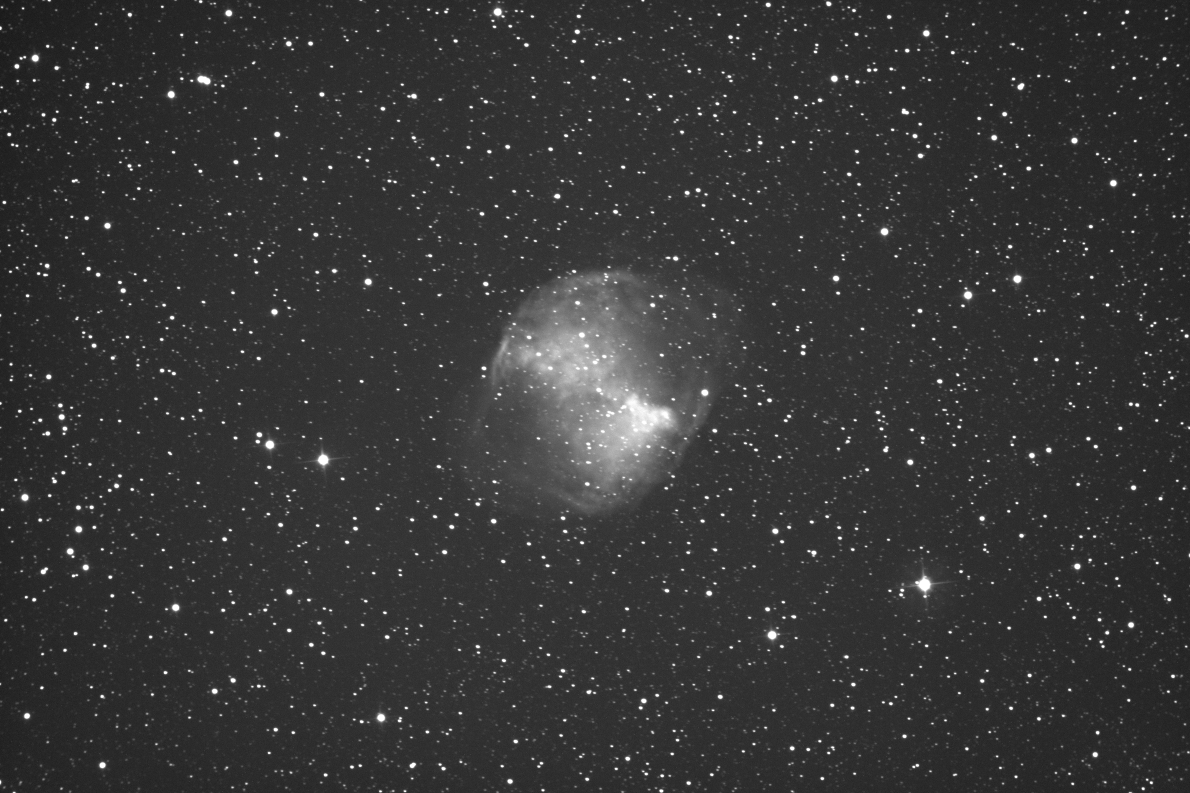
2 - Planetary nebula M27 ("Dumbbell") – distance 1.25 thousand light-years, Vulpecula constellation, exposure 2 min. Inside it is the largest white dwarf discovered to date.
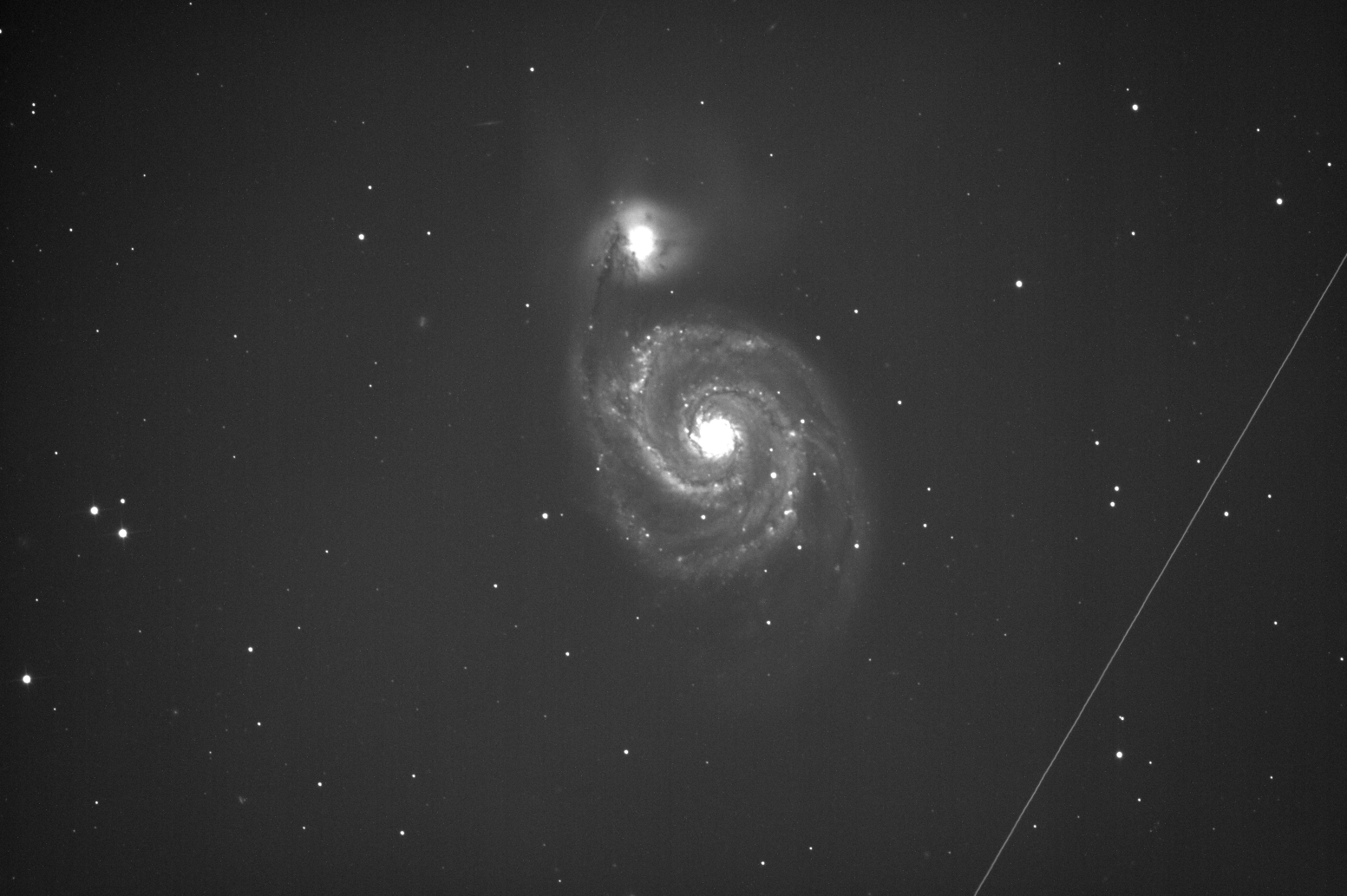
3 - Spiral galaxy M51 ("Whirlpool") – distance 23 million light-years, Canes Venatici constellation, exposure 5 min. It is the first galaxy in which a spiral structure was observed, clearly visible from Earth face-on from the galactic pole.
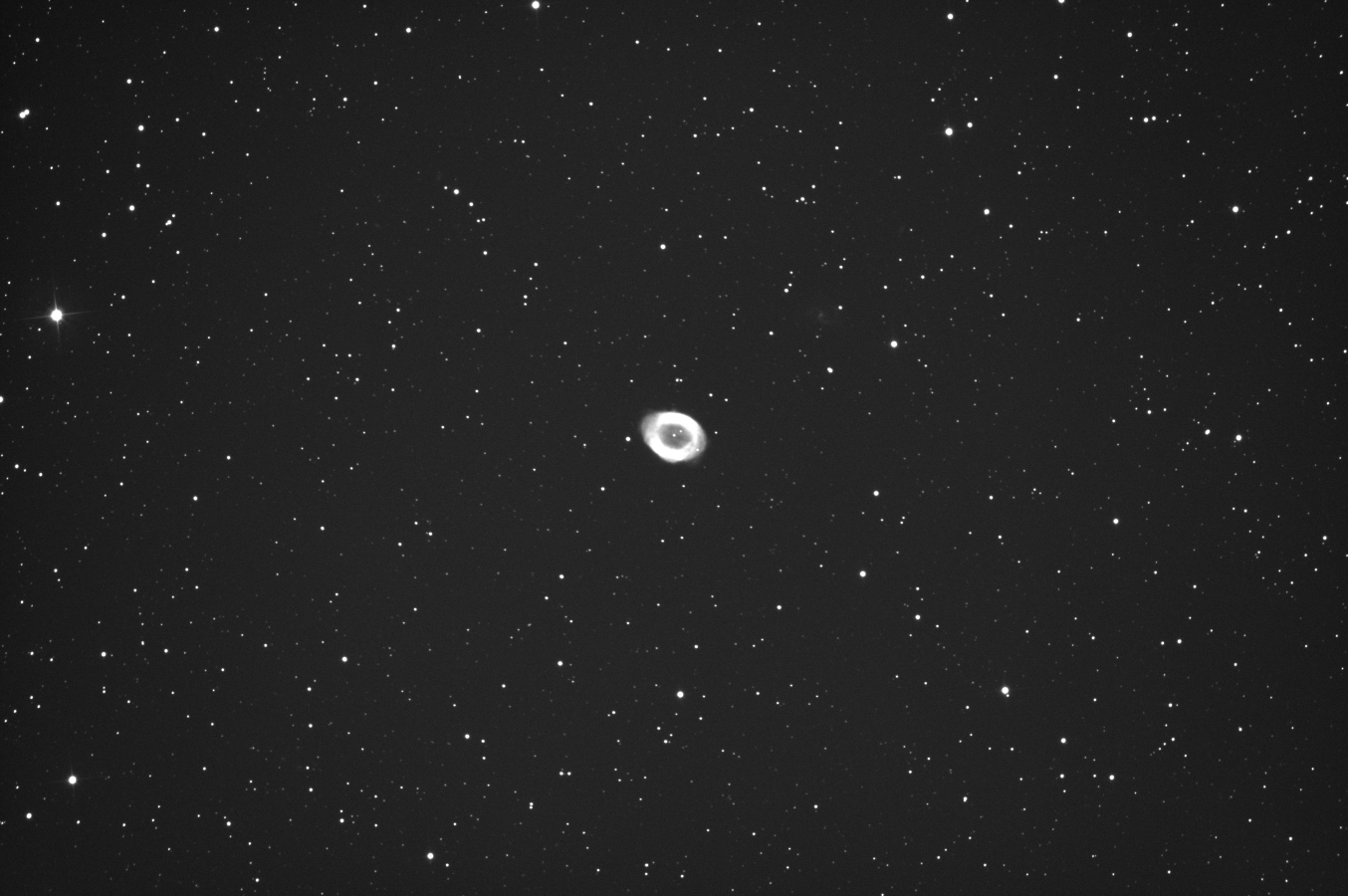
4 - Planetary nebula M57 ("Ring") – distance 2.3 thousand light-years, Lyra constellation, exposure 1 min. The central star of the nebula visible in the picture, designated as HD 175353, is a white dwarf with a size comparable to the size of a planet.
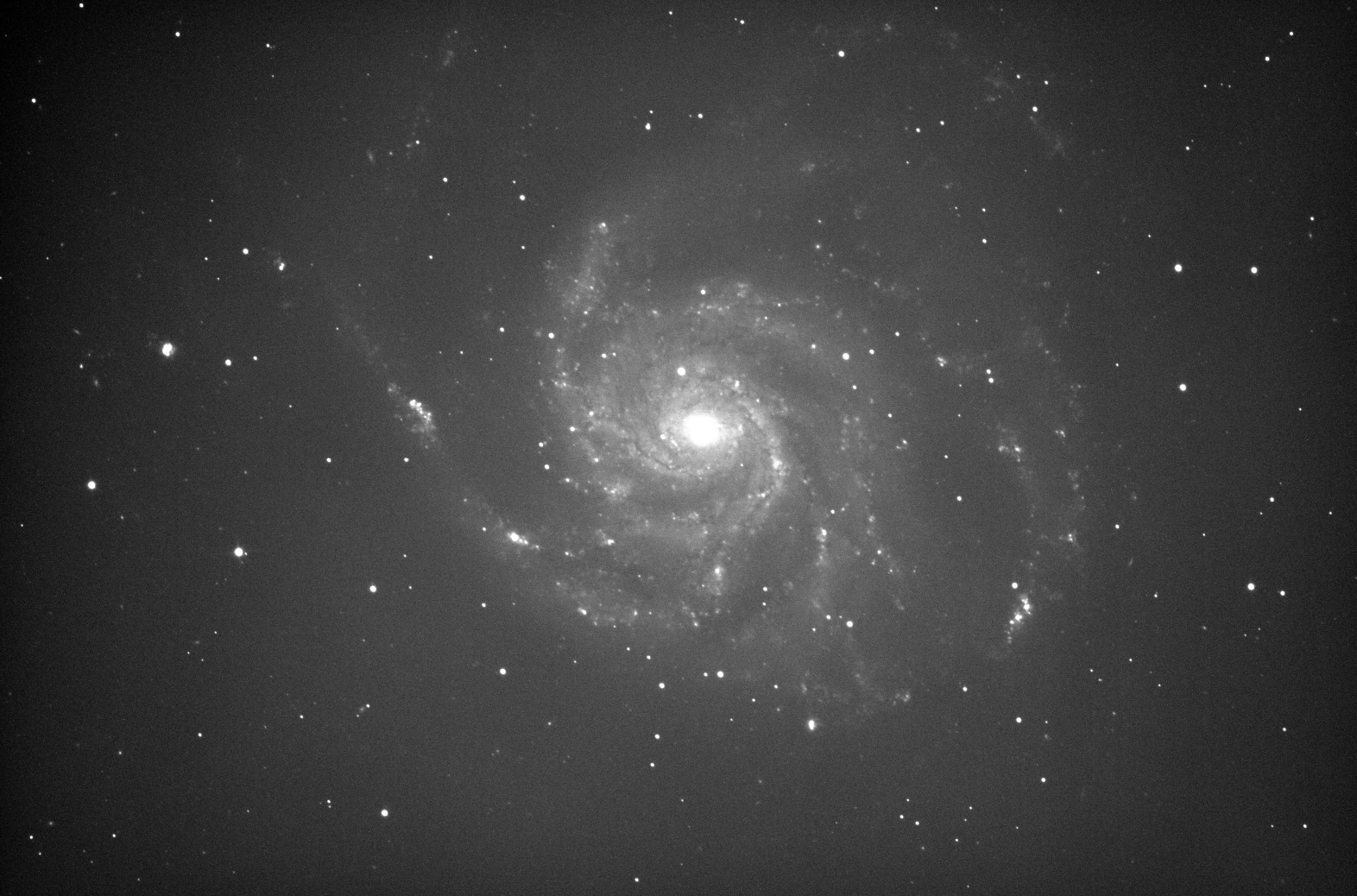
5 - Spiral galaxy M101 ("Pinwheel") – distance 21 million light-years, Ursa Major constellation, exposure 6 min. The diameter of M101 is 170 thousand light-years, and its mass is approximately equal to 180 billion solar masses.
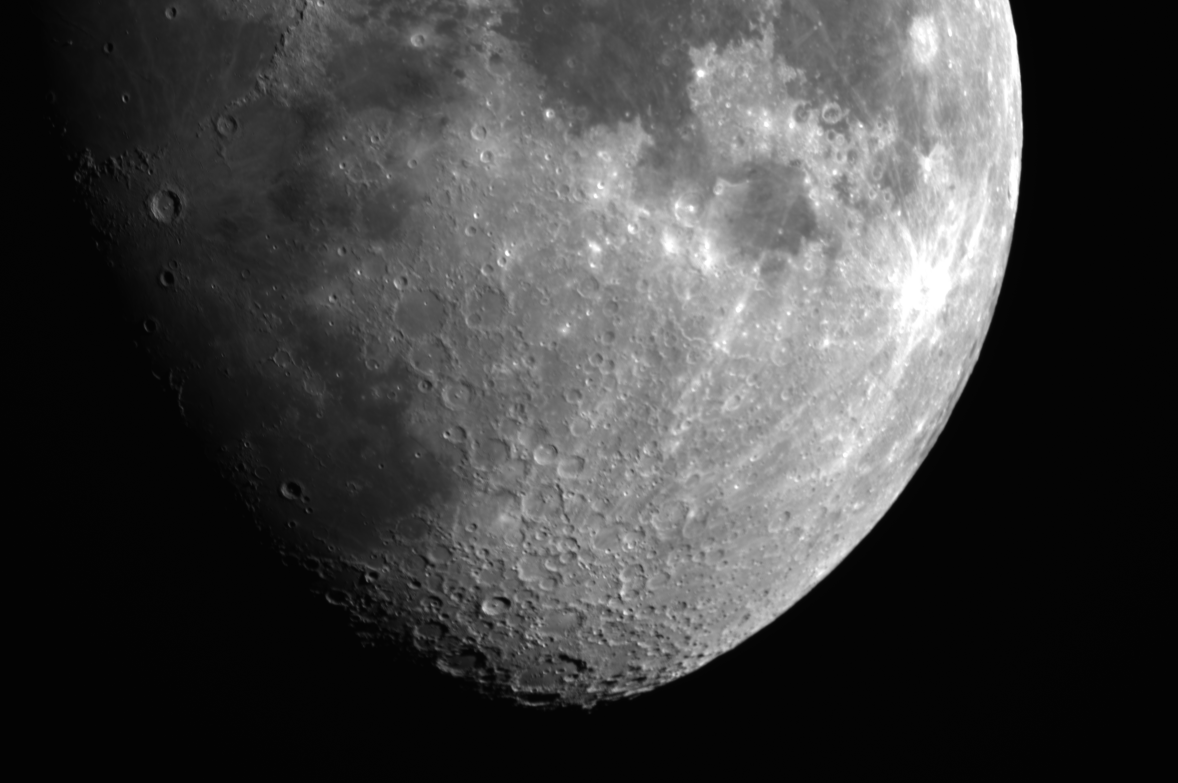
6 - The Moon, exposure 1/100 s
The purchase of the camera was funded by the Faculty of Physics at the University of Białystok (Faculty of Physics grant subsidy).